

Understanding “At Risk”
Internal Factors
In this article, we’ll delve deeper into the concept of risk, specifically focusing on the term “At Risk.” Our goal is to provide clarity on this term so that regardless of your location – be it at home, work, school, or elsewhere – you can grasp its significance and proactively safeguard yourself and your valuables.
Risk = (H) Hazard × (V) Vulnerability × (E) Exposure /Capacity
A disaster is the end product of hazards interacting with vulnerability, exposure, and capacity.
Prior to delving deeper, it’s crucial for all individuals to meticulously grasp and incorporate the concept of “Risk Perception” into their understanding. This factor holds immense significance in risk management, whether you’re situated at home, in the workplace, or engaged in business activities. It’s imperative not to overlook this aspect, as our perception – encompassing how we conceptualize, evaluate, and interpret risks or hazards we encounter – profoundly influences outcomes. Our amalgamated experiences, knowledge, and capacity to swiftly process information stand as pivotal determinants of success or failure in navigating risks effectively.
We know what we know, We know what we don’t know, We don’t know what we don’t know
Something to think about…
The term “At Risk” encompasses various contexts, each highlighting different situations:
- In sinister contexts, it refers to scenarios where individuals are perceived to be in imminent danger, with a high probability that this danger will lead to harm.
- It also applies to situations where property, assets, and critical infrastructure such as roads, hospitals, airports, etc., are at a heightened risk of damage or destruction.
- Additionally, it denotes circumstances where essential services like healthcare, the food chain, communication networks, and other elements crucial to sustaining life may face disruption.
In another context, the term “At Risk” is used to describe unfavorable or distressing situations that induce unhappiness or desperation. For instance:
- With the introduction of new automated technology, a significant number of employees on the production line are at risk of losing their jobs, leading to uncertainty and distress among the workforce.
- Individuals exposed to very loud noise at work are at risk of experiencing hearing loss, highlighting the potential negative impact on their health and well-being due to occupational hazards.
- Students face the risk of not graduating due to difficulties in keeping up with schoolwork, underscoring the challenges and pressures they encounter in their academic pursuits.

Let’s ponder your household situation – are you facing any risks? Is your family potentially in harm’s way?
In our discussions, when mentioning “home” in this context, we’re specifically referring to the primary residence where individuals or families permanently reside. This includes various types of housing such as apartments, condominiums, bungalows, detached houses, or any other dwelling where people live as part of a family or household.
If you or your family are at risk, it indicates vulnerability and exposure to hazards in your immediate surroundings, whether from internal factors within your environment or external factors. It’s crucial to identify the sources of risk affecting you and your family. Let’s examine internal risk factors, those within your immediate environment where you have control.

“Ah, under a coconut tree, you might indeed sense the first coconut falling, but the second might catch you by surprise! It’s always good to stay alert under those trees.”
Household Hazards
Home safety encompasses the recognition of risks and potential hazards both inside and around the home, which could lead to bodily harm, injury, or even fatalities for those residing within the household.
What’s the level of safety in your home? How secure do you feel within its confines?
Consider the possibilities of what could go awry and how severe those outcomes might be. Your home, often perceived as a domain of control and safety, isn’t always immune to mishaps. Despite our best efforts, risk permeates various aspects of our lives – from mundane activities like eating and drinking to leisure pursuits, financial decisions, and beyond.
Consequently, we find ourselves in a perpetual state of vulnerability. Even commonplace items essential for daily life can potentially transform into hazards or pose threats within the household environment.
Recognizing hazards within your home serves as the initial stride toward averting potential harm. While certain risks may readily occupy your thoughts, others might evade your awareness entirely. Among the prevalent hazards at home are fires, poisoning, allergies, dietary concerns, food-related issues, hereditary illnesses, and gardening mishaps.
Additionally, household items and activities can pose significant risks, such as falls, choking incidents, burns, and exposure to cleaning materials.
Your home stands as a valuable asset, warranting thorough, vigilant protection. It’s crucial to comprehensively grasp and mitigate prevalent hazards within its confines.
Fire
While inherently hazardous, igniting fires within the home is a customary practice for various purposes, including cooking, outdoor barbecues, and heating via fireplaces. Additionally, candles are often employed for special occasions or during power outages. Consequently, fire has been intertwined with human daily life since time immemorial.

A prevalent danger familiar to all homeowners is the presence of faulty electrical wiring within walls, appliances, or outlets, which can lead to fires or electrocution. It’s noteworthy that the very elements we rely upon for daily life—fire and electricity—can swiftly transform into lethal hazards. In an instant, one’s lifelong investments may vanish before their eyes, a stark reality that unfortunately unfolds all too frequently.

Fire incidents not only result in property destruction but also pose grave risks to life, causing severe injuries and potentially leaving lasting traumatic effects.
How much do you know about fire safety?
Certainly, at home, you and other adult members of the household maintain a sense of control over various activities. Cooking serves both as a necessity and an enjoyable pursuit, while barbecuing is often a seasonal treat.
Fireplaces offer warmth and comfort during colder seasons, and lighting candles can create a cozy or romantic ambiance. In tropical regions, fires can also help deter flies or mosquitoes and prove useful during power outages. When lighting a fire for any of these purposes, you typically do so with a clear intention and a sense of necessity.


LISTEN UP! Lighting a fire is dangerous. When you light a fire, it’s called a hazardous activity. No matter what you’re doing or why, as long as the fire is burning, you, your home, and everyone in it are AT RISK. You’ll stay at risk until the fire is completely out and safely extinguished.
Did you know that the timeframe for escaping a house fire can be alarmingly short, sometimes as little as two minutes. Having a working smoke alarm that provides early detection, along with a practiced fire escape plan, is crucial for ensuring the safety of everyone in the household. Additionally, there are other important measures to take to protect your loved ones from the devastating effects of a fire.

Fall
Falls represent a significant risk of fatality within home accidents, with the elderly being particularly vulnerable. Beyond the immediate threat of death, falls among older individuals present additional grave concerns. While younger people may sustain broken bones, the repercussions are far more severe for seniors due to slower healing processes.
Hip fractures, especially prevalent in those aged 75 and older, pose substantial challenges, often resulting in long-term care requirements and profound mobility issues. Enhancing bathroom safety is paramount. Measures such as securing rugs and preventing toilet leaks can mitigate risks. SlipX Safety Treads offer effective solutions to prevent slips in bathroom settings.


Maintaining clear stairways is imperative for all age groups. Adults are susceptible to staircase falls just as children are. Ensuring staircases are free from clutter, such as toys or obstructions, minimizes trip hazards. Regularly inspecting carpets for folds and assessing handrail stability are essential preventive measures. Adequate lighting, preferably from high-quality overhead lights, improves visibility and reduces accident risks. Additionally, never leave stairway doors open, as this poses another potential hazard for falls.

Poisoning
Understanding The Risks: Harmful Chemicals to Avoid
When engaging in household cleaning activities, a variety of products are typically employed. However, many conventional cleaning products contain a wide array of chemicals that pose significant risks to human health, particularly for vulnerable populations such as infants. It’s crucial for parents to be well-versed in the common toxic chemicals present in these products and how to identify them on labels.
Among the harmful chemicals to be wary of are phthalates, often used as fragrances and softeners. They have been linked to hormonal disruptions and developmental issues in children.

Sodium lauryl sulfate (SLS) and sodium laureth sulfate (SLES), commonly utilized as surfactants to create foam and bubbles, can cause skin irritation and may contain the carcinogen 1,4-dioxane as a byproduct. Ammonia, frequently found in glass and window cleaners, can induce respiratory irritation and exacerbate conditions such as asthma or allergies in infants.
Chlorine bleach, while effective as a disinfectant, emits fumes that can irritate the respiratory system and eyes. Moreover, when mixed with other cleaning agents, it may produce toxic gases, posing additional risks.
Formaldehyde, commonly present in air fresheners and certain cleaning products, is a recognised human carcinogen and can lead to respiratory issues. Triclosan, frequently found in antibacterial cleaning products, has been linked to hormone disruption and may contribute to antibiotic resistance. Additionally, volatile organic compounds (VOCs) found in specific cleaning products can result in indoor air pollution and respiratory problems. It’s imperative to comprehend and steer clear of these toxic chemicals to uphold a safe and healthy environment for all occupants of the home.


Household chemical products can indeed pose serious health risks, manifesting in either immediate or delayed effects. In simpler terms, the impact of exposure can range from gradual onset to sudden and severe consequences. With prolonged exposure, health problems may develop slowly over time, akin to a slow-burning process that gradually incubates and eventually leads to significant health issues, potentially resulting in loss of life or incapacitation. It underscores the importance of understanding the risks associated with these chemicals and taking proactive measures to minimise exposure, thereby safeguarding health and well-being.

Sharp Objects
Knives are essential tools in a household, yet they also pose inherent dangers, especially to children. Items like peelers and graters, with their sharp edges, must be stored safely, out of reach of curious hands. However, sharp objects are not limited to the kitchen; they can be found throughout the house.
In bathrooms, razor blades should be securely stored to prevent accidental cuts. Garden equipment should be properly stored to avoid confusion with toys. After use, razors should be placed on high shelves, away from countertops, and additional blades can be safely kept in drawers with guards, alongside other grooming tools like cuticle scissors. Installing easy-to-use Safe Locks for Kids around the house can provide an extra layer of protection against accidental injuries.
In the garage, lawnmowers and power tools present risks to children. Vigilance is key; always keep an eye on these tools and ensure they are stored safely out of reach. While sharp objects are necessary for home maintenance and safety, they can prove lethal in the hands of small children. Taking proactive measures to secure and store these items can prevent accidents and keep the home environment safe for everyone.
To ensure kitchen safety, it’s imperative to keep knives and graters out of reach of children, ideally in locked drawers. Additionally, it’s essential to familiarize oneself with safe and efficient knife-handling techniques. If unsure, watching online tutorials can provide valuable guidance on chopping, slicing, and dicing without risking injury. When storing sharp knives, utilise shields to cover the blades, and exercise caution during washing to prevent accidents.
In outdoor spaces like gardens, it’s crucial to store tools such as rakes, saws, and lawn mowers securely in locked garden sheds. Adhering to safety protocols and using caution when handling garden tools is paramount. Remain vigilant to avoid accidents such as tripping, stumbling, and electrical hazards while gardening. By following these precautions, you can maintain a safe environment both indoors and outdoors.


Identifying the Hazard
Recognizing unfamiliar or unexpected objects or situations in your home requires a keen sense of observation and an understanding of your environment’s normal state. Often, anything out of place, unusual, or new could indicate a potential hazard.
Whether it’s a misplaced item, a strange smell, or an unfamiliar sound, paying attention to these anomalies can help you identify potential dangers.
Additionally, staying informed about common household hazards and regularly inspecting your living space can help you spot anything that doesn’t belong. Remember, while many household items are necessities, anything that has the potential to move, fall, break, or cause a fire should be considered a hazard.
By acknowledging that most home hazards are man-made and human-induced, you can adopt a proactive approach to managing risks and maintaining a safe living environment.


Reducing Risk
CARDINAL RULES
Prevent Home Fires
To ensure kitchen safety and prevent potential fire hazards, it’s crucial to adhere to several key guidelines. Firstly, never leave cooking food unattended, especially when frying, grilling, or broiling. Stay in the kitchen during these activities, and if you must step away, remember to turn off the stove. Additionally, when simmering, baking, boiling, or roasting food, check it regularly and use a timer to remind yourself of the stove or ovens’ status.
Avoid wearing loose clothing or dangling sleeves while cooking, and establish a “kid-free zone” of three feet around the stove to keep children safe. Keep combustible items like pot holders, oven mitts, and paper or plastic materials away from heat sources, and clean cooking surfaces regularly to prevent grease buildup. Lastly, consider investing in a fire extinguisher for the kitchen and undergo proper training from your local fire department on its correct usage. These practices promote kitchen safety and reduce the risk of fire incidents in the home.


Before retiring for the night or leaving the house, it’s essential to conduct a thorough check of the kitchen to ensure all stoves, ovens, and small appliances are switched off. This simple yet crucial step can help prevent potential fire hazards. Additionally, the installation of smoke alarms plays a vital role in safeguarding lives. It’s advisable to install smoke alarms near the kitchen, on every level of the home, close to sleeping areas, and both inside and outside bedrooms if doors are kept closed while sleeping.
Regularly test smoke alarms using the test button each month and replace all batteries at least once a year to ensure optimal functionality. These measures contribute significantly to fire safety and provide peace of mind for homeowners and their families.


Residing in tropical paradises like Seychelles, where the allure of open doors and windows is irresistible, it’s crucial to exercise caution, especially in the kitchen. Even amidst the serenity of the breeze, when utilizing gas appliances, it’s imperative not to leave cooking unattended, particularly during windy conditions. The slightest gust could potentially escalate a small flame into a hazardous situation. Similarly, when indulging in barbecuing, vigilance is key to ensuring safety.
Heating Safety
Exercise caution when using heating equipment such as space heaters and fireplaces. Maintain a safe distance of at least three feet between anything combustible and the heat source to prevent potential fires.

Smoking Safety
Smoking indoors presents a considerable fire hazard. Choose to smoke outdoors and ensure the proper extinguishing of smoking materials in durable ashtrays.
Avoid smoking in bed or in areas where medical oxygen is utilised, as it can result in fires. Exercise caution with e-cigarettes to prevent severe fires and injuries, particularly during usage, charging, or transportation.
When using candles, exercise caution and never leave them unattended to mitigate the risk of potential fire incidents.


Install & Maintain Smoke Alarms
Installing and maintaining smoke alarms is essential for minimising the risks of home fires and significantly decreasing the likelihood of fatalities. Here are some key steps:
- Ensure smoke alarms are correctly installed throughout your home, covering every floor, including bedrooms, and positioned outside sleeping areas.
- Regularly maintain and test smoke alarms to ensure their efficiency. It is advisable to conduct monthly tests by pressing the designated test button.
- Familiarize all household members with the sound of the smoke alarm and establish clear protocols on how to respond promptly in the event of activation.
By adhering to these measures, you not only enhance your home’s safety but also bolster your preparedness to manage fire-related risks effectively.
Ensuring fire safety at home is paramount for the well-being of both residents and property. Fundamental to this effort is the installation of smoke alarms in strategic locations throughout the house, coupled with regular testing to ensure they are in working order. Equally important is the practice of fire prevention measures, such as maintaining electrical systems, avoiding overloading outlets, and keeping flammable materials away from heat sources.
Developing and practicing a fire escape plan with all household members is critical, ensuring everyone knows the quickest and safest routes to exit the house in case of a fire emergency. Moreover, having readily accessible fire extinguishers and knowing how to use them effectively can help contain small fires before they escalate. By prioritizing these fire safety measures, families can safeguard their homes and loved ones from the devastating effects of fires.


Stairs Safety
Safeguard children from stair-related accidents by fitting safety gates at both the top and bottom of staircases. Ensure the overall safety of all occupants by maintaining adequate lighting and ensuring that handrails and steps are sturdy and well-maintained. For elderly individuals with limited mobility, options such as installing stairlifts or moving to single-level homes can help reduce the risk of falls.

Bathroom Safety
The slippery surfaces in bathrooms present a fall hazard for anyone. While unconventional, consider fully carpeting bathroom floors to enhance traction, especially for those vulnerable to falls. Additionally, use rubber mats in showers to prevent slips on wet surfaces. Placing mats or towels on.


Ensure that all cleaning products and hazardous substances stored in the kitchen are placed in cabinets that are out of reach of young children. If stored in lower cabinets, consider installing affordable childproof locks to prevent access. Store paint and pesticides in locked garages or sheds, preferably on high shelves that are inaccessible to children. Clearly label all containers, avoiding the use of food containers for storing chemicals or cleaning products.
Keep the contact information for the poison control center readily available, both written down and stored in your mobile phone. Quick access to this information is crucial in case of poisoning emergencies to ensure prompt action.
Electrical Safety
Understanding the dangers associated with electricity is paramount. Not everything is readily visible, and numerous unknown factors exist. For instance, when flipping a switch to illuminate a room or activating appliances like rice cookers, kettles, or blenders, the inner workings behind the switch or within the appliance remain unseen. This lack of visibility contributes to what is known as “uncertainty.”
However, despite the inherent uncertainty, it’s crucial to recognize that uncertainty can be managed.
Handle electrical equipment with care. Always plug appliances directly into wall outlets; reserve extension cords for short-term use. Regularly inspect power cords to ensure they are not in high-traffic areas where they could get pinched or damaged. For any electrical work, enlist the expertise of a certified electrician.

One particularly tragic incident that highlights the risks of electrical faults is the Grenfell Tower fire in West London on June 14, 2017. According to reports, the fire originated from overheated wiring in a refrigerator. Investigations later revealed that the wiring had been improperly installed, pointing to human error as the root cause. The presence of unsafe cladding exacerbated the fire, resulting in the tragic loss of nearly 72 lives.
Residents of condominiums, flats, semi-detached, or high-rise residences should take heed: a single mishap within the building can lead to a catastrophe akin to the Grenfell Tower incident. Therefore, everyone must remain vigilant and aware.
One overlooked but serious risk is the devastating effect of rodents. These pests have been the cause of numerous home fires. Rats in particular pose an immense risk in homes, not only because they can cause serious health problems, especially in tropical countries.


Child Safety
To safeguard children from perilous situations, take proactive measures to prevent their access to matches and lighters. Educate them about the inherent dangers of playing with fire, and store these items securely out of their reach and sight. Maintain vigilant supervision of children, particularly in the kitchen, and never leave them unattended, especially when engaging in activities such as cleaning or handling hazardous materials.
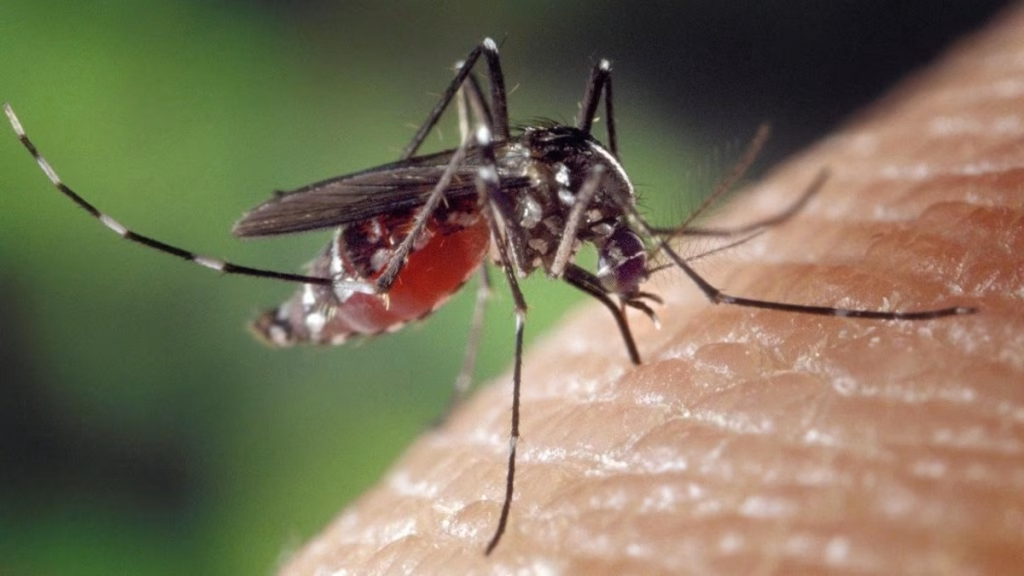
We’ve covered various home safety concerns such as fires, chemicals, and falls. Another critical issue, particularly in tropical and subtropical countries, is mosquitoes and other insects. Mosquitoes are notorious for breeding easily and spreading diseases. Therefore, maintaining strict sanitation practices around the house is crucial to minimize these risks.
Before concluding this post, it’s crucial to delve into the concepts of “Man-made” and “Human-induced” hazards. In the context of home life, every action—from moving furniture to lighting fires, sweeping, mopping floors, digging in the garden, or even switching on lights—is initiated by a person. Nothing occurs spontaneously; hence, any incident that unfolds falls under the purview of risk management, termed as man-made or human-induced. Therefore, it’s imperative for individuals to remain cognizant that seemingly innocuous activities at home can inadvertently or even intentionally construct hazards, underscoring the importance of mindfulness in daily tasks.
Risk is an ever-present aspect of our daily lives; it permeates everything we do. We encounter risks at various points throughout our lives, making it an unavoidable reality.


